
Independent design & technology studio

Tools that make complex systems easier to understand — and use.

the pace is a founder-led studio working where design meets engineering. I build a connected family of products — and take on the consulting that draws on the same standards, systems, and accessibility expertise.

Products the studio buildsServices you can commissionThe expertise behind both

Proof of capability

Senior expertise, shown — not claimed.

A decade of building design systems, accessible products, and the tooling that keeps design and engineering in step.

10+Years designing and building products
5Industries shipped in — iGaming to telecoms
122Components in the Lexicon design system
9Original products across 3 lines — 3 live today

Designed, built,
and translated across

Ecosystem

Separate products, one shared system.

Design tooling, health, and finance — four product families over a shared foundation. The map lays out where each product sits, what it’s built on, and what it works with.

All products
The pace ecosystem architecture

A structured map of the studio. the pace is the origin. Four product families sit in lanes — design tooling (Parlance and its surfaces, Lexicon, Theme Creator, Tailwind Translator), health and fitness (Pacer and Pacer Coach), finance (Nettaker and Capital), and studio consulting. The Lexicon design system and the studio’s shared standards form the foundation beneath them. Every product is listed, grouped by family, in the directory below.

Selected work

Systems in practice.

A few of the harder problems — the shape of each one, what got built, and why the approach differs. Every demonstration is drawn from the real system, not a stock mockup.

01Design-to-development contracts

Parlance

Component specs scatter across six tools and agree on nothing. Tokens vanish somewhere between the Figma file and the pull request.

Parlance is a formal contract layer — components, tokens, and interactions verified against W3C standards — so design and engineering work from one source both sides can check.

Why it’s different — Standards over opinions. Every contract validates against real specifications, not a senior designer’s preference.
02Multi-brand design systems

Lexicon

Every brand ends up with its own library. Every re-skin is a manual slog, and two themes drift apart the moment they diverge.

Lexicon is a 122-component system with a Theme Creator that re-skins the whole library in one pass — 60+ variable values across light and dark, each checked to WCAG AA.

Why it’s different — Deterministic, not generative. One definition, every output: Figma, CSS, and Tailwind stay in lockstep.

03A product, designed as a pair

Pacer & Pacer Coach

Athletes track in one app; coaches plan in another. The two never quite line up, so the plan and the day drift apart.

Pacer for the athlete and Pacer Coach for the trainer — two surfaces on one synced system, so the plan a coach sets lands exactly where the athlete logs meals and training.

Why it’s different — Designed as a pair from a shared foundation — not two apps stitched together after launch.

04Shipped and live

Nettaker

Gross-to-take-home is a black box. Comparing an offer, a raise, or a contract honestly means untangling tax you can’t see.

Nettaker turns any gross figure into the number that actually lands in your account — income tax and contributions resolved in seconds.

Why it’s different — One job, done precisely. Clear enough to compare two offers before the meeting ends.

Services

Work with the studio directly.

Fixed-scope reviews, embedded consultation, or end-to-end product work — scoped, priced, and delivered by the person doing the work. Open any service to compare.

All services

Review & audit

Fixed-scope, delivered as a document you can act on.

Embedded & ongoing

Senior thinking inside your team, week by week.

Build & operations

End-to-end product work and the systems behind it.

Method

How the work gets done.

One senior practitioner, one throughline — from understanding the problem to handing over a system a team can own.

  1. Understand

    Map the product, the team, and exactly where design and code fall out of step.

  2. Align

    Agree the shared language — the tokens, components, and standards both sides can verify against.

  3. Systemise

    Turn decisions into a system: token architecture, component contracts, and documentation.

  4. Build

    Design and build the real thing — accessible, production-ready, with no handoff gap.

  5. Validate

    Check every decision against real specifications — WCAG, W3C, and the contract itself.

  6. Transfer

    Hand it over so it lasts: docs, rituals, and a team that can carry it without me.

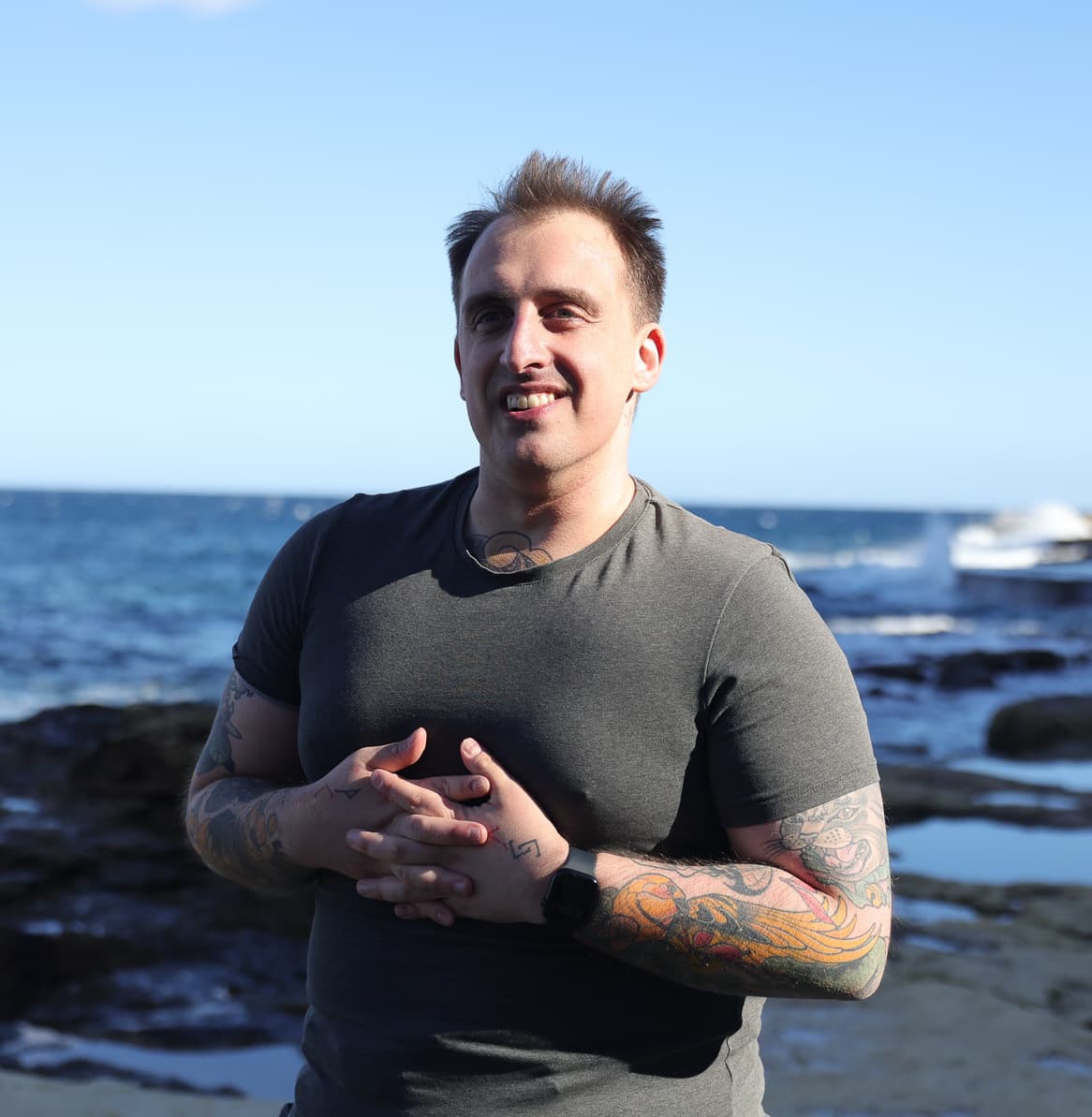
Jonathan Pace, founder of the pace

Founder-led

One senior practitioner, from first call to final handover.

the pace is Jonathan Pace — a design systems architect with more than a decade across iGaming, fintech, SaaS, e-commerce, and telecommunications. Founder-led isn’t a limitation here; it’s the reason the work stays coherent.

Direct access

No account managers, no agency layers. You talk to the person doing the work.

Senior, start to finish

The person who scopes the work designs it, builds it, and hands it over.

A body of real products

Not slideware — a connected set of original products, tested in production.

Standards & systems depth

Design-to-code and accessibility as a specialism, not an add-on.

Let’s build something thoughtful.

A design system, an accessibility strategy, or a product that has to make something complicated feel simple — I’d like to hear about it.